

What to do during a Hazardous Materials (HAZMAT) spill
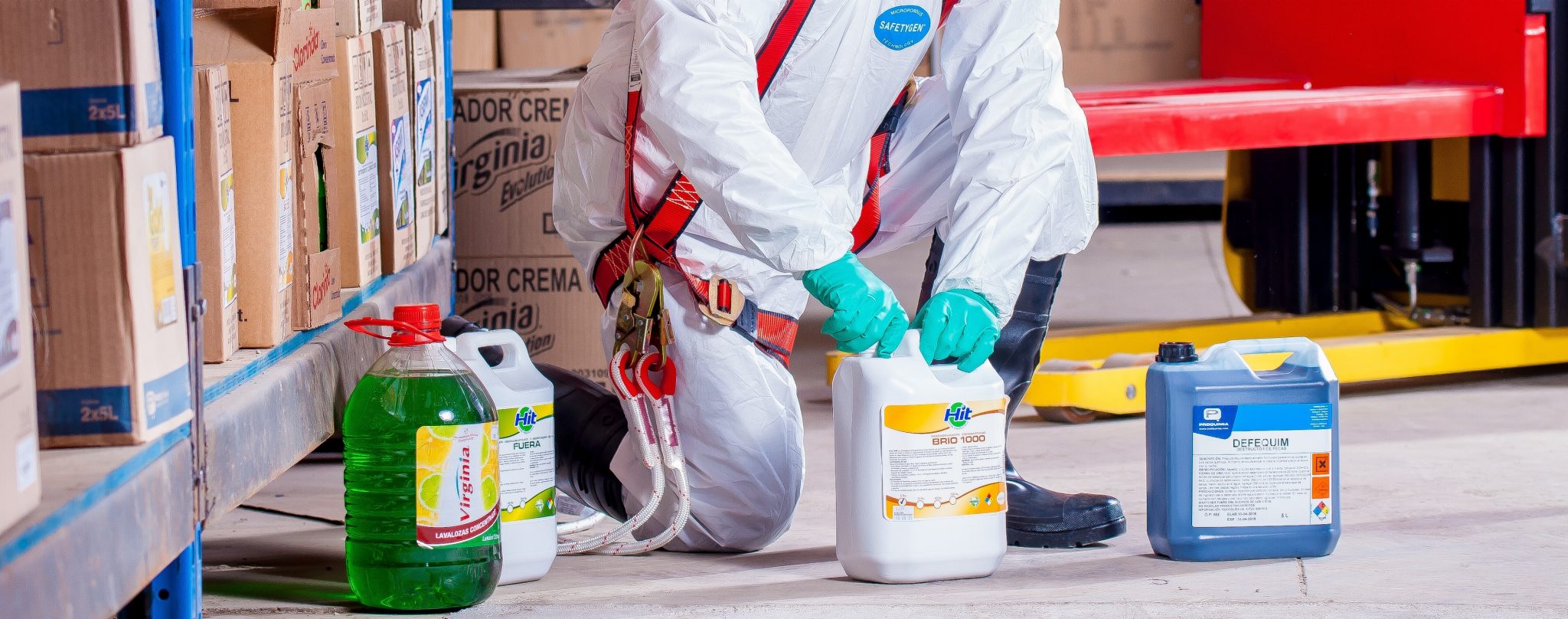
Hazardous Materials (HAZMAT)
A HAZMAT emergency can range from a hazardous material spill on a highway to a gas leak in your home, or even a household cleaner spill. It’s important to know how to protect yourself and others during a chemical release incident.
How to prepare
- Avoid mixing household chemicals. Combining certain products can potentially create toxic gases.
- Read and follow the instructions on chemical products. Some products require gloves and eye protection before use. Other products may need to be used in large, open spaces to avoid inhaling dangerous gases.
- Store chemicals safely. All non-food products should be stored in their original containers with proper instructions for use so they can be easily identified and used correctly.
- Do not use household chemicals near an open flame or heated appliance as vapour particles could catch fire or explode.
- Dispose of all unused chemicals properly. Unsafe disposal of chemical products can result in harm to yourself or others.
What to do during
Indoor chemical spill:
- Treat all potentially hazardous materials with extreme caution. Evacuate your home or the building immediately using an exit that avoids contact with the chemical.
- Do not attempt to clean up hazardous materials yourself. Exposure could result in serious illness or injury.
- Once safely outside, call 9-1-1.
- Follow instructions from local authorities. They are trained to handle, clean up, and dispose of hazardous materials safely and will let you know when it’s safe to return.
Outdoor chemical spill:
- Leave the area immediately and shelter-in-place in the nearest building. Close and seal all doors and windows. Turn off the ventilation. If possible, notify others of the spill or release on your way to safety. Do not stay outside or within a vehicle.
Once inside a safe location, call 9-1-1 and follow instructions.
What to do after
- Conduct a household inventory and safely dispose of expired or unnecessary items to reduce potential hazards and help prevent future emergencies.
- Check in on neighbours, family and friends.