Black History Month
The mayor proclaimed February as Black History Month in Calgary. This month is a time to celebrate the significant contributions and rich cultural heritage of Black Canadians. Calgarians are invited to take part in learning opportunities, community events and cultural activities that honour the past, embrace the present and inspire a future rooted in inclusivity and equality. Discover the stories of Black pioneers and engage with the vibrant Black culture that continues to shape our city.
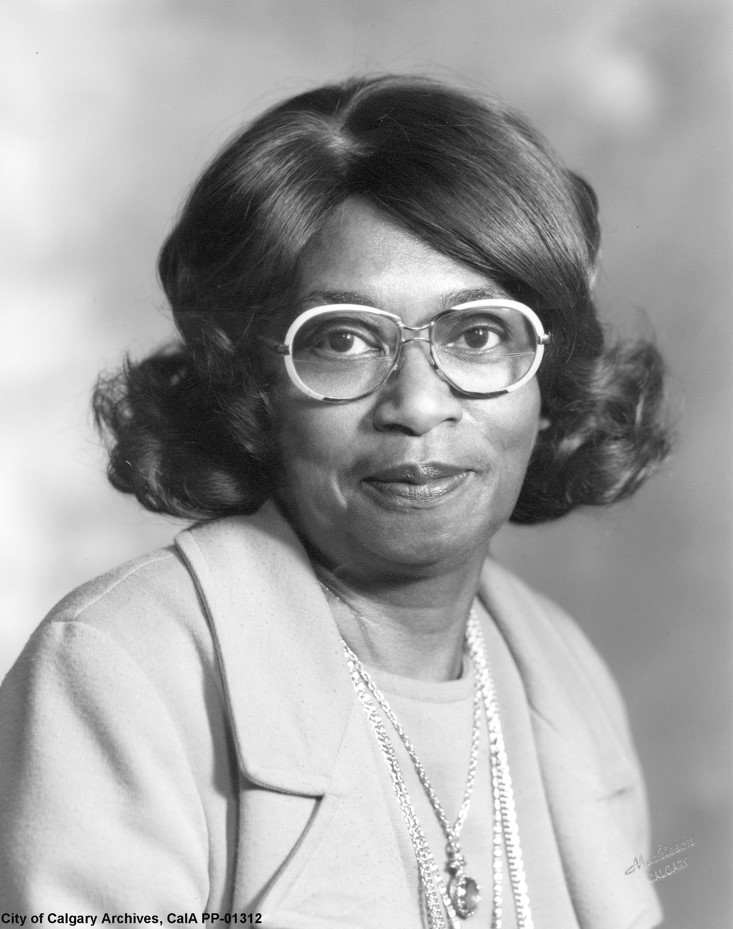
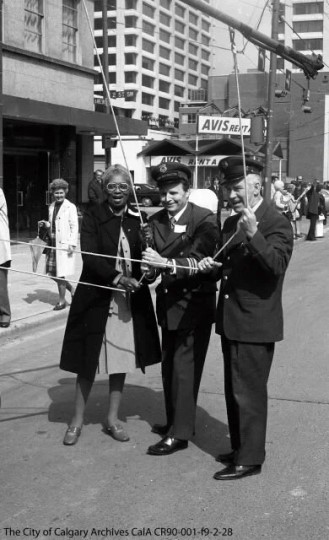
The 2026 theme, "30 Years of Black History Month: Honouring Black Brilliance Across Generations — From Nation Builders to Tomorrow’s Visionaries", highlights the enduring strength, creativity, and transformative impact of Black communities across time. This celebration of brilliance is reflected in the legacy of Virnetta Anderson, Calgary's first Black municipal councillor, whose leadership and advocacy helped shape a more inclusive city. The theme also serves as a powerful reminder of the ongoing pursuit of justice and equity for Calgary communities that continue to face barriers and honours the contributions of past leaders while inspiring courage and innovation in today’s changemakers and future generations.
Why Black History Month Matters to All Canadians
Black History Month began as an awareness week introduced by historian Carter G. Woodson in the United States in February 1926. Influenced by the civil rights movement and growing recognition of African American identity, the observance later evolved into Black History Month. Black History Month was officially recognized in Canada in 1995 through the leadership of Honourable Jean Augustine.
A growing number of Calgarians self-identify as Black, forming a diverse and vibrant community representing more than 300 ethnic and cultural origins, according to the latest Census. This rich diversity is grounded in a long history of resilience and strength. Black communities continue to build meaningful connections, uplift neighbourhoods and create economic opportunities that contribute to Calgary’s growth.
Black History Month is an opportunity to celebrate the accomplishments and contributions of Black Canadians while amplifying their voices and stories. It also encourages reflection on the resilience, innovation and leadership within Black communities, and brings into focus the ongoing work needed to create equitable pathways for all.
A sense of belonging is not unique to Black communities; it is shared across Calgary’s diverse population. It reminds us that we share common ground where Calgarians can come together to support one another, understand the challenges facing diverse communities and strengthen equity for everyone.
The City of Calgary is committed to advancing equity and actively dismantling systemic racism that affects the lives of Indigenous and diverse racialized communities. We strive to create a city where everyone has fair access to opportunities and can thrive. Learn more about our efforts by visiting Calgary’s commitment to anti-racism.
Resources
Multimedia
Multimedia
Explore the content and feature stories that bring Black Canadian experiences and contributions to life.
Recommended Audience: visual learners, students and anyone seeking engaging historical context.
23 Black Canadians You Should Know (CBC)
A collage of pictures featuring 23 Black Canadians who made major contributions to Canada’s culture and legacy. Click on each picture to learn more about their accomplishments.
Dinosaur Provincial Park: John Ware
Learn about John Ware, the man and the legend, and how his pioneer cabin was rebuilt in Dinosaur Provincial Park.
Canada: Black History Month
Government of Canada page commemorating the legacy of Black Canadians. Scroll down to access videos about key events and people in Canada’s history.
Curated Films on the Black Experience in Canada (University of Calgary)
A selection of films exploring the historical and contemporary Black experience in Canada, curated by the University of Calgary.
CBC Kids: How Did Black History Month Come to Be?
Explains the history of Black History Month in the United States and introduces students to five famous Black Canadians and how the month is celebrated in Canada.
Videos
Videos
A collection of short films and historical videos offering insightful narratives about Black heritage, resilience and culture to understand present-day realities stemming from history.
Recommended Audience: Educators, community groups, or self-directed learning.
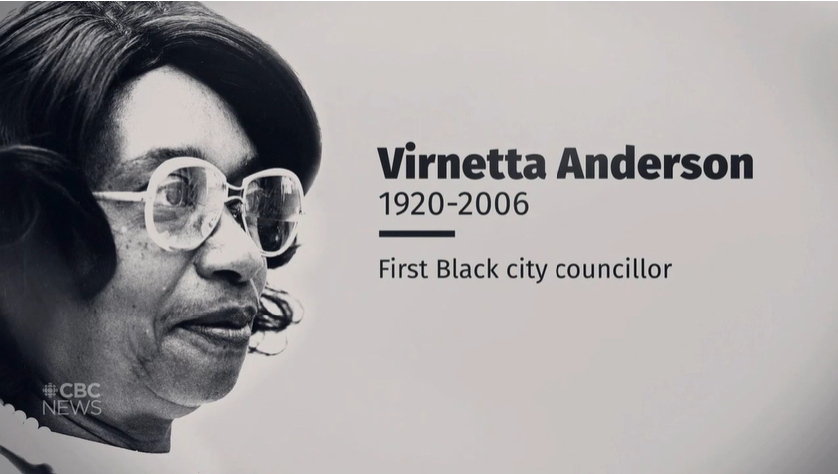
Virnetta Anderson - First Black city councillor
Proud of our History - Black History Month
John Ware Reclaimed
Secret Alberta: The Former Life of Amber Valley
Harriet Tubman - Black History Month
The War of 1812 - Black History Month
Books
Books
This reading list includes diverse voices from essays to memoirs that illustrate Black history and lived experiences.
Recommended Audience: People who work with community, individuals looking to further their understanding of Black lived experiences and learners part of a book club or facilitated book sessions.
Calgary Public Library Black History Month book recommendations

From essays, memoirs and poetry to family sagas, love stories and thrillers, this selection bears testimony to the extensive creative expressions of the Black experience.
Washington Black Paperback
Author: Esi Edugyan
When two English brothers arrive at a Barbados sugar plantation, they bring with them a darkness beyond what the slaves have already known. Washington Black – an eleven-year-old field slave – is horrified to find himself chosen to live in the quarters of one of these men. But the man is not as Washington expects him to be. His new master is the eccentric Christopher Wilde – naturalist, explorer, inventor and abolitionist – whose obsession to perfect a winged flying machine disturbs all who know him. Washington is initiated into a world of wonder: a world where the night sea is set alight with fields of jellyfish, where a simple cloth canopy can propel a man across the sky, where even a boy born in chains may embrace a life of dignity and meaning – and where two people, separated by an impossible divide, can begin to see each other as human.
Policing Black Lives: State Violence in Canada from Slavery to the Present
Author: Robyn Maynard
Delving behind Canada's veneer of multiculturalism and tolerance, Policing Black Lives traces the violent realities of anti-blackness from the slave ships to prisons, classrooms and beyond. Robyn Maynard provides readers with the first comprehensive account of nearly four hundred years of state-sanctioned surveillance, criminalization and punishment of Black lives in Canada.
The Skin We're In: A Year of Black Resistance and Power
Author: Desmond Cole
Chronicling just one year in the struggle against racism in this country, The Skin We're In reveals in stark detail the injustices faced by Black Canadians on a daily basis: the devastating effects of racist policing, the hopelessness produced by an education system that fails Black children, the heartbreak of those separated from their families by discriminatory immigration laws, and more. Cole draws on his own experiences as a Black man in Canada, and locates the deep cultural, historical, and political roots of each event. What emerges is a personal, painful, and comprehensive picture of entrenched, systemic inequality.
Events
Events
Celebrate Black History Month by joining community events that offer meaningful opportunities to learn, connect and engage.
Black History Month: Africa is Not a Country, It’s a Continent - Arts & Craft | Calgary Public …
Multiple days and locations
Black History Month: An Evening with Wakefield Brewster | Calgary Public Library
- February 19 6:30-7:30 p.m. – Memorial Park Library
Black History Month: Black Lives in Alberta - Over a Century of Racial Injustice Continues | Calgar…
- February 19 7-9 p.m. – Central Library
Learn More
Learn More
Links to external resources from government, historical profiles, and educational tools provide a broader context.
Recommended Audience: Researchers, facilitators, and anyone building curriculum or community programming.
- Government of Canada: Black History Month
- Government of Alberta: Black History Month
- Three Black Calgarians who changed Calgary's history
- Black Communities in Alberta: Interviews with people from Black Communities in Alberta
- University of Calgary: Taking Action Against Anti-Black Racism
- Teaching Resources - Black History Month (February) - Resources at Alberta Teachers' Association - resources for families, schools, or community groups to use
Reflections
Reflections
The purpose of the reflection questions is to help you pause, deepen your understanding, and connect the learning to your own experiences and actions.
- What patterns or struggles from the past do you see still affecting Black communities today?
- What does it mean to treat Black History Month as an ongoing responsibility, not just a one-month event? What could that look like in practice for you?
- How does the knowledge you gain here create a sense of responsibility in how you show up at work, in community, or in everyday interactions?
- What aspects of Black Canadian experiences do you think are most overlooked or misunderstood in wider Canadian conversations?
- Who in your community is already doing work that advances equity? How could others support or amplify that work?
- What stories of Black Canadians — past or present — should be told more widely? Why?
- What future do you hope Black History Month helps us imagine for the next generation?
Virnetta Anderson: A Legacy of Black Brilliance and Leadership in Calgary
Black people have been part of Canada’s social landscape since the 1600s, with many early Alberta settlers recalling hospitality and support from Indigenous communities and European neighbours. They led change — from shaping immigration policy to protecting fundamental rights — through four centuries of told and untold stories of shared resilience, courage and leadership.
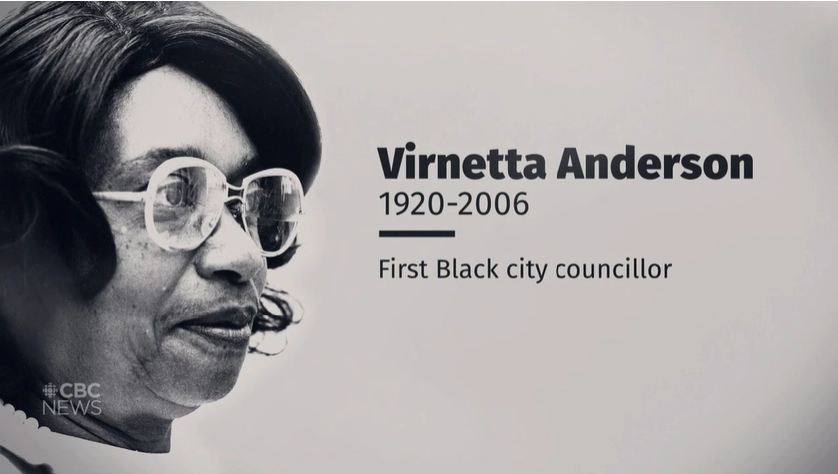
View videoVirnetta Anderson - First Black city councillor
One key figure in this timeline is Virnetta Anderson, who made history in 1974 as Calgary’s first Black municipal councillor. Born in Monticello, Arkansas, in 1920, she moved to Calgary in 1952 after her husband, Ezzrett “Sugarfoot” Anderson, joined the Calgary Stampeders.
Despite facing racism and sexism in a male‑dominated political arena, she became a strong advocate for equity and social progress. On council, she championed community programs, seniors’ welfare, affordable housing, Indigenous employment opportunities and accessible public transportation. One of her most significant achievements was influencing the decision to build Calgary’s CTrain line, a project that transformed the city’s transit system.
After her council term ended in 1977, Anderson's dedication to service continued for decades. She supported organizations such as United Way and the Rotary Club, earned the Paul Harris Fellowship and received nominations for the YWCA Women of Distinction Award and the Canada 125 Commemorative Medal. She passed away in 2006 at age 85, but her legacy lives on and continues to guide. Today, a reception hall in Calgary’s Historic City Hall bears her name, honouring her lifelong commitment to equity, community and compassion.
Her story is part of a broader narrative of Black resilience and achievement on the Prairies. Communities such as Campsie, Amber Valley and Junkins (Breton) were established by Black settlers from the U.S., who faced segregation and discrimination yet contributed significantly to Canada’s cultural mosaic.
Resources such as CBC’s “Black on the Prairies” and the documentary “We Are the Roots: Black Settlers and Their Experiences of Discrimination on the Canadian Prairies” shed light on these untold stories, reminding us that Black history is Canadian history — a story of perseverance, community and contribution.