

Stage 4 water restrictions guidance for contractors, developers and builders
During Stage 4 outdoor water restrictions, you cannot use City drinking water outdoors for construction or renovation work.
These restrictions help protect Calgary's water supply so it remains available for essential needs such as drinking water, public health services and firefighting.

On this page
Prepare before work begins
Contractors are responsible for following Stage 4 restrictions and planning ahead for any work that normally requires outdoor water use.
Before starting work, review your project and identify activities that require water. Planning ahead can help prevent project delays.
To prepare for Stage 4 restrictions:
- Identify any planned outdoor water use, including:
- concrete mixing
- exposed aggregate finishing
- surface washing
- pressure testing
- watermain commissioning
- Confirm where your water will come from before work begins.
- Arrange for non-potable water or potable water from an approved non-City source, where allowed.
- Develop alternate construction methods or schedule work differently to reduce water use.

What outdoor use is not allowed?
During Stage 4 outdoor water restrictions, outdoor water use is prohibited.
This includes:
Construction and renovation
- grading
- compaction
- dust control
- other outdoor construction activities
Landscaping and watering
You cannot water:
- new or existing lawns
- gardens
- trees
- shrubs
- sod
- grass seed
Irrigation systems
- irrigation
- system testing
- irrigation audits
Outdoor cleaning
- sidewalks
- walkways
- driveways
- building exteriors
- windows
- vehicles (unless an exemption applies)
What outdoor water use is permitted?
Health and safety requirements
Outdoor water use is allowed when required to meet health and safety regulations.
Examples include:
- Cleaning bodily fluids, such as urine, feces or vomit, from outdoor surfaces.
- Washing required under Occupational Health and Safety legislation, such as cleaning vehicle windows needed for safe operation.
All washing activities must comply with the Stormwater Bylaw (37M2005).
Essential City operations
The City may continue essential watermain and hydrant flushing operations.
This permission applies only to City operations. It does not apply to new construction projects, including watermain replacement work.
Temporary water servicing
Because watermains cannot be flushed before being placed into service during Stage 4 restrictions:
- Schedule work to avoid temporary water service connections whenever possible.
- If temporary servicing is required, insulate or heat the system to prevent freezing.
- Flush and commission new watermains after Stage 4 restrictions end.
Can contractors receive exemptions?
No.
The Water Utility Bylaw does not allow additional exemptions for construction or renovation work during Stage 4 outdoor water restrictions.
The restrictions help balance water demand with available supply and ensure essential community services, including firefighting, can continue.
Work activities: What is allowed and what is not?
| Activity | Is it permitted? | How to proceed |
|---|---|---|
| Activity: Mixing concrete outdoors at a job site |
No, not with City drinking water. |
How to proceed:
Use non-potable water or plant-batched concrete as an alternative. |
| Activity: Using plant-batched concrete |
Yes. It is treated as indoor water use. However, City drinking water cannot be used outdoors for truck washout, finishing, curing or exposed aggregate work. |
How to proceed:
Use non-potable water for outdoor activities. If potable water is required, get it from a non-City source. |
| Activity: Finishing exposed aggregate |
No, not with City drinking water. An exception may apply for health and safety needs. |
How to proceed:
Use non-potable water or air-sandblasting. |
| Activity: Washing surfaces before paving, sealing or painting |
No, not with City drinking water. |
How to proceed:
Use non-potable water. See Non-potable water options
below. |
| Activity: Pressure testing new watermains |
Yes, for pressure testing only. Chlorination and flushing are not permitted. |
How to proceed:
Complete the pressure test. Delay commissioning until
restrictions are lifted. |
| Activity: Commissioning watermains |
No. Chlorination, flushing and sampling are not permitted. |
How to proceed:
Wait until restrictions are lifted and The City provides direction. Coordinate the work with the area Utility Inspector. |
| Activity: Connecting homes to an uncommissioned watermain |
No. A home cannot be connected until the watermain is fully commissioned. |
How to proceed:
Continue other permitted installation work. Complete the
connection after the main is chlorinated, flushed and sampled. |
| Activity: Providing temporary water to an existing building during a shutoff |
Yes. A hydrant connection using an approved backflow meter assembly is treated as indoor water use. |
How to proceed:
Install the backflow assembly correctly and limit water
use where possible. |
| Activity: General outdoor cleaning or washing |
No, not with City drinking water. This includes washing sidewalks, driveways, buildings and vehicles. An exception may apply for health and safety needs. |
How to proceed:
Use non-potable water or delay the work. If washing is required for health or safety, document the reason and follow the Stormwater Bylaw. |
|
Activity:
Using a hydrant with a meter assembly permit |
No, except for essential City flushing or approved temporary building connections. |
How to proceed:
|
|
Activity:
Spray testing for a new home warranty inspection |
No. |
How to proceed:
Use another testing method or delay testing until
restrictions are lifted. |
|
Activity:
Testing, repairing or maintaining backflow devices |
Yes. This work must continue to protect public health and the drinking water system. |
How to proceed:
Continue required testing, repairs and maintenance. |
| Activity: Taking water from a City stormwater pond |
No. |
How to proceed:
Use one of the sources listed under Non-potable water
options. |
Can potable water be used to commission new water lines?
No.
Pressure testing new watermains is allowed. However, chlorination and flushing are not permitted during Stage 4 restrictions.
Once restrictions are lifted and City direction is provided, affected watermains can be chlorinated, flushed and sampled according to City requirements.
Contractors must coordinate scheduling with the assigned Utility Inspector.
Lot servicing
During Stage 4 restrictions:
- Service installation may continue without initial chlorination.
- Service pigtails do not need to be brought to the surface.
- Services cannot be connected to homes until the watermain has been chlorinated, flushed and sampled.
Municipalities connected to Calgary's regional water system must confirm that their reservoir capacity and water system can support the required water use.
The City will allow potable water to maintain positive pressure in watermains while tapping new services, as outlined in City specifications.
Sewer CCTV inspections
The City does not allow potable water from the drinking water system to:
- flush sewer mains
- maintain base flow for CCTV inspections
At this time, no approved non-potable water source has been identified for these activities. Updated information will be provided if new options become available.
Non-potable water options
If your project requires non-potable water, consider the following sources.
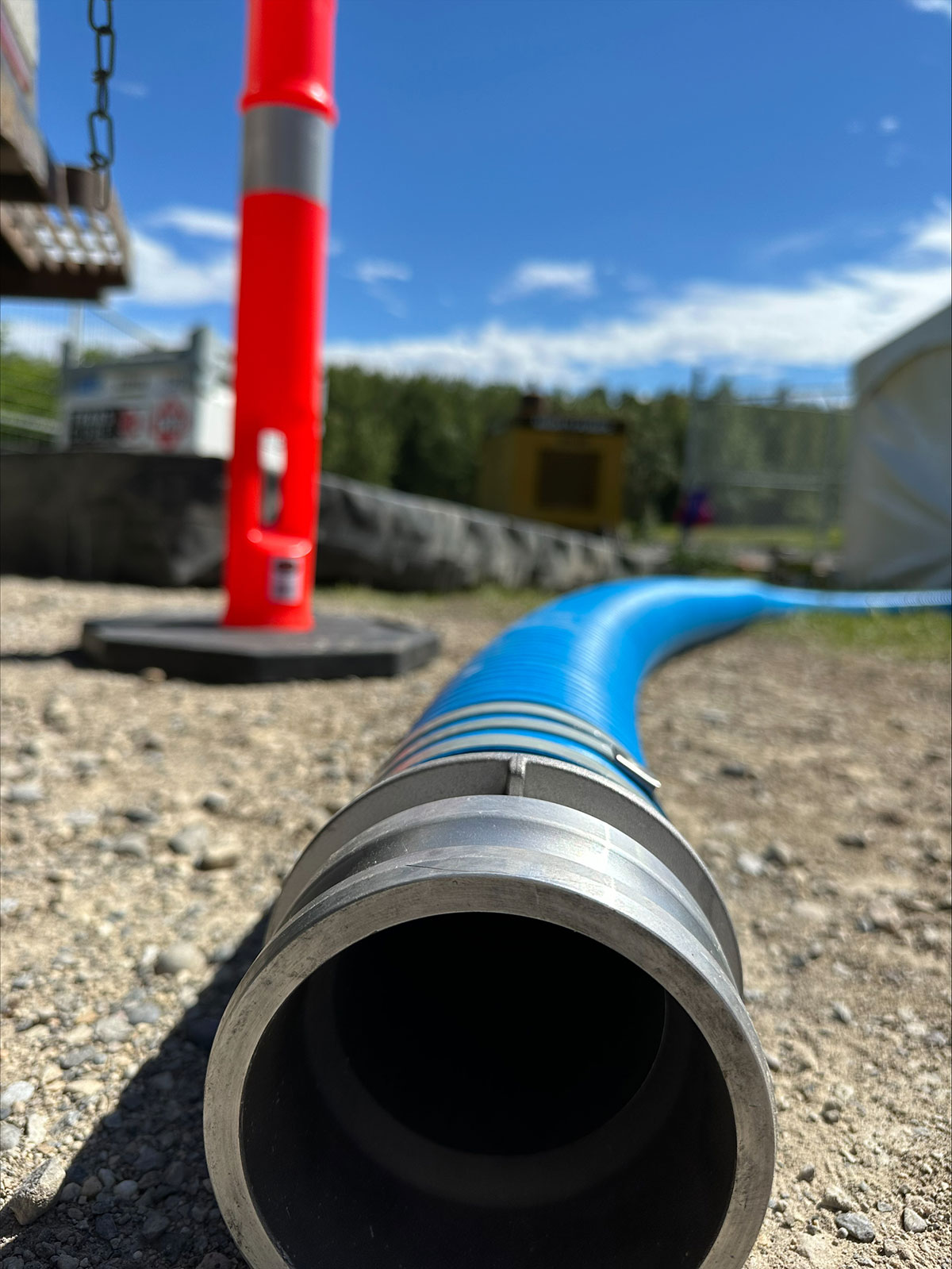
Regional water suppliers
Non-potable water, or potable water from non-City systems, may be available from communities that do not receive water from Calgary's system, including:
- Cochrane
- Okotoks
- High River
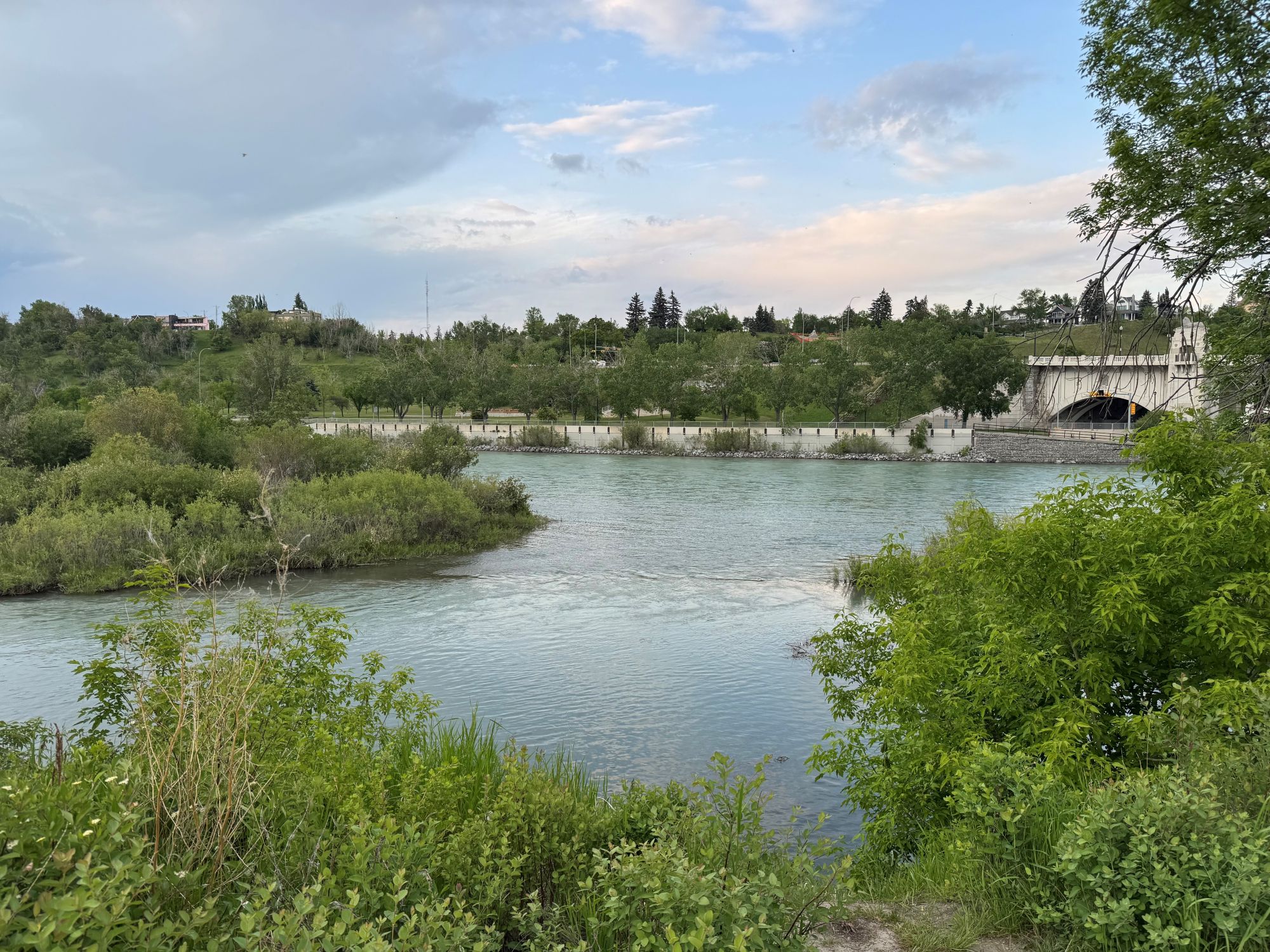
Temporary Diversion Licence (TDL)
You may apply directly to the Government of Alberta for a Temporary Diversion Licence (TDL) to withdraw water from a river.
Contractors are responsible for:
- obtaining approvals
- arranging access
- providing equipment
- transporting water
- managing operations
The City does not provide river access.
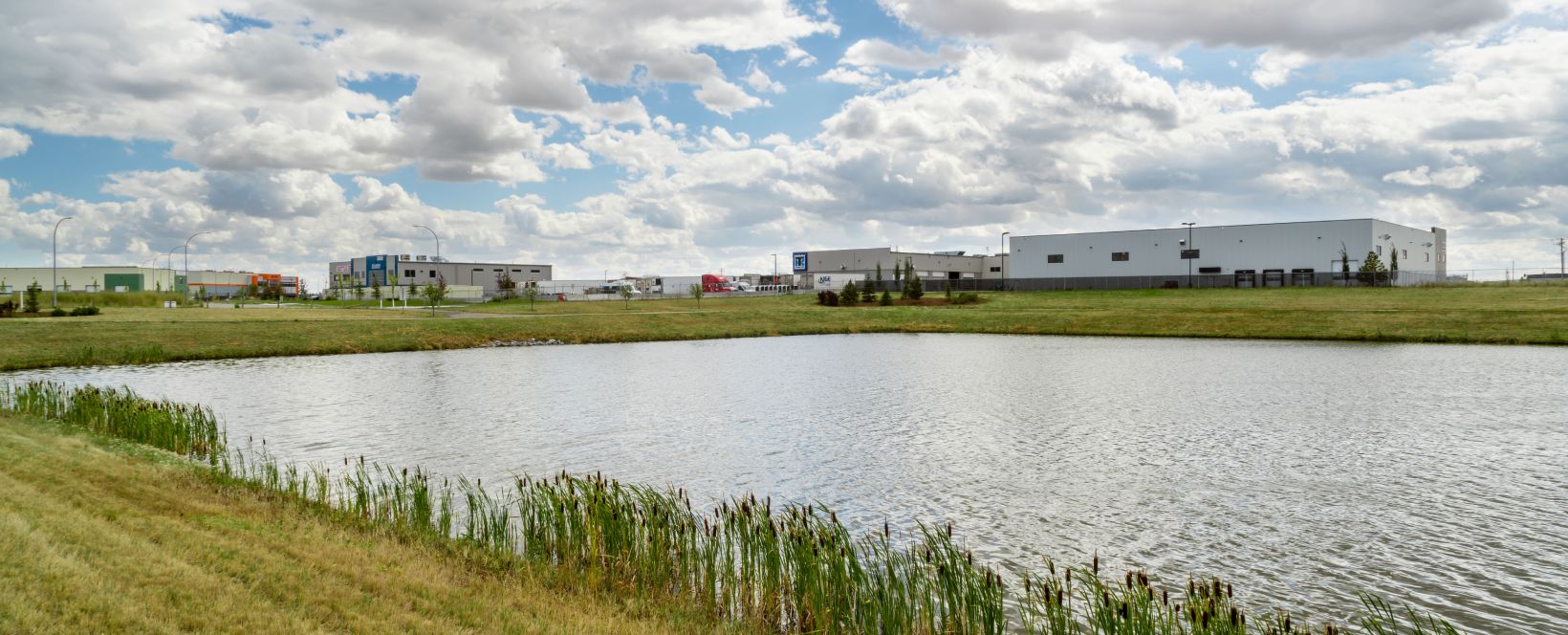
Storm ponds
Developers may use storm ponds under their control, at their discretion.
If river water or storm pond water is used in public parks, warning signs must be installed because the water may be contaminated.
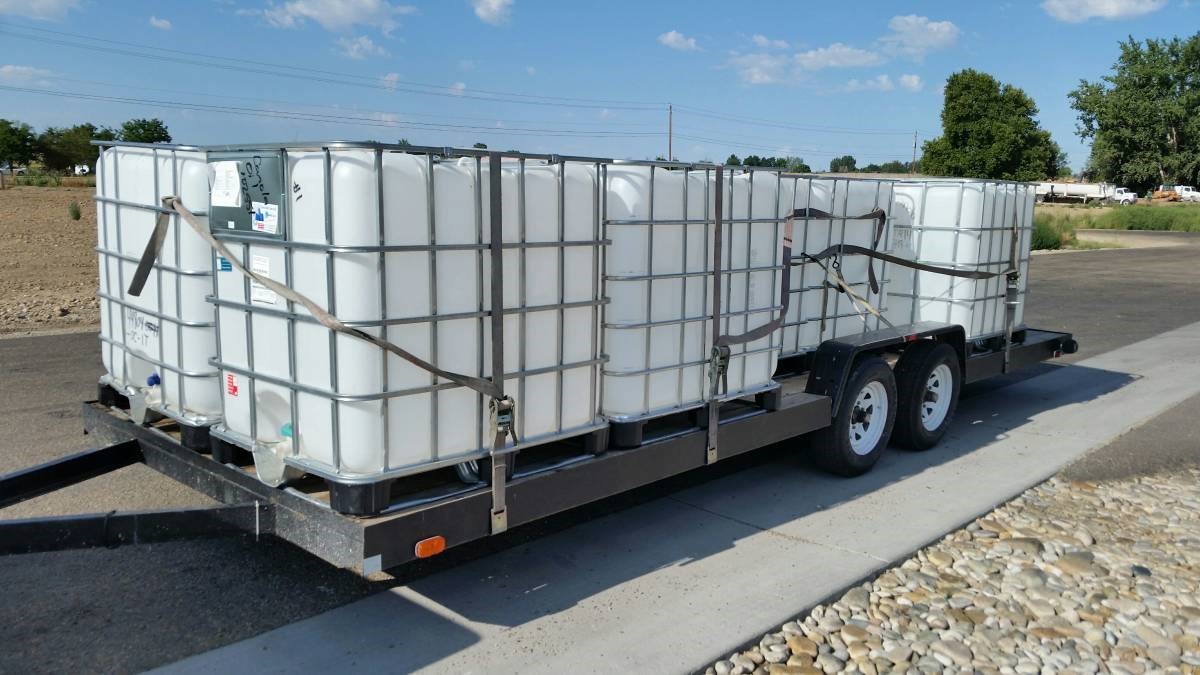
River water pick up stations
To support the construction industry during restrictions, The City is working to provide a river water pick-up station as an alternative water source.
The station will remain open as long as river conditions allow for safe operation.
The location and operating hours will be shared in the coming weeks.